
Smart investing requires moving beyond location, dwelling type, and style, and instead prioritising asset resilience. While many buyers are swayed by these emotional factors, a data-driven strategy focuses on balancing cashflow capacity and maintenance considerations.
From high-yield inner-city apartments to family homes in accelerating growth corridors, our experts have pinpointed the postcodes and property types where they would direct a $977,000 investment (Greater Melbourne's median house price as at February 2026) to maximise returns.

Andrew McCann
CEO, Jellis Craig
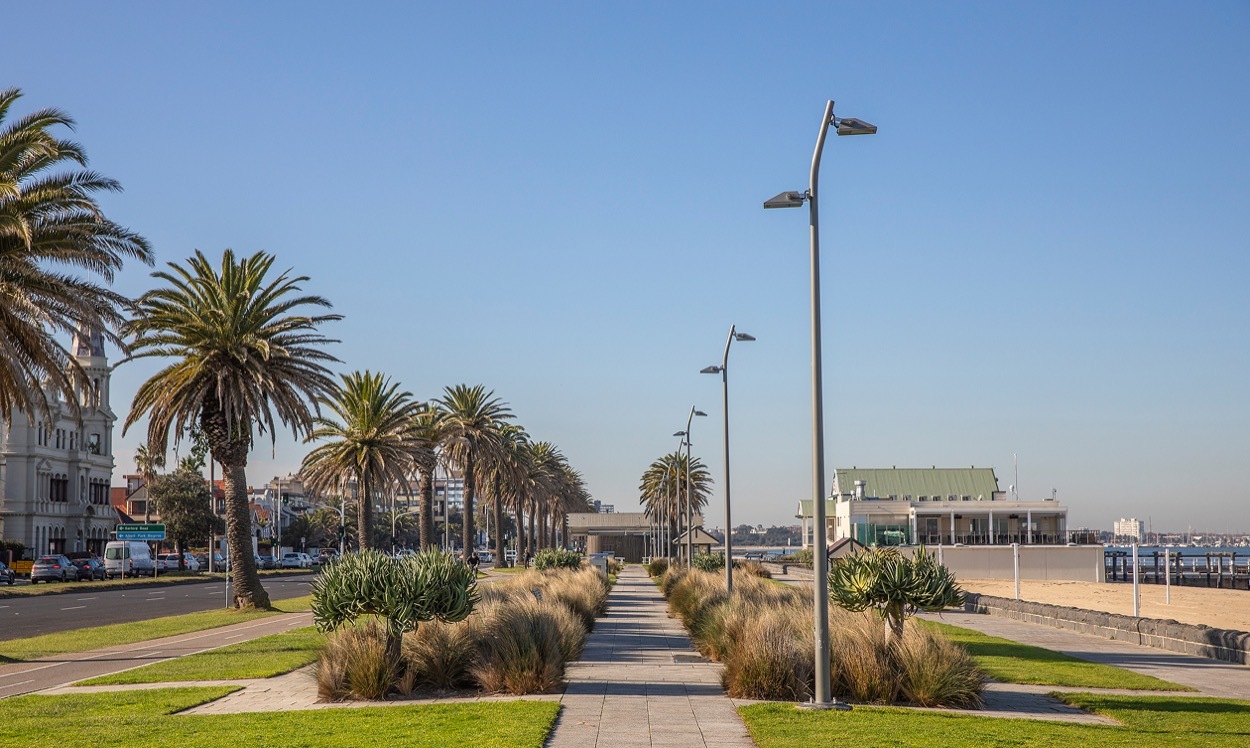
For a Melbourne-based asset I would suggest a classic 1960s/70s older style 2-3 bedroom apartment with a garage or secure car space in inner suburbs like Elwood, South Yarra, or Hawthorn. The older style apartments are traditionally fewer units than new developments, are well constructed and easy to maintain, with lower body corporate fees, meaning I could capitalise on return whilst not having significant outgoings. The locations of these properties are always in high demand with young professionals, which makes consistent rental income relatively low risk.

Eliza Owen
Housing Market Economist
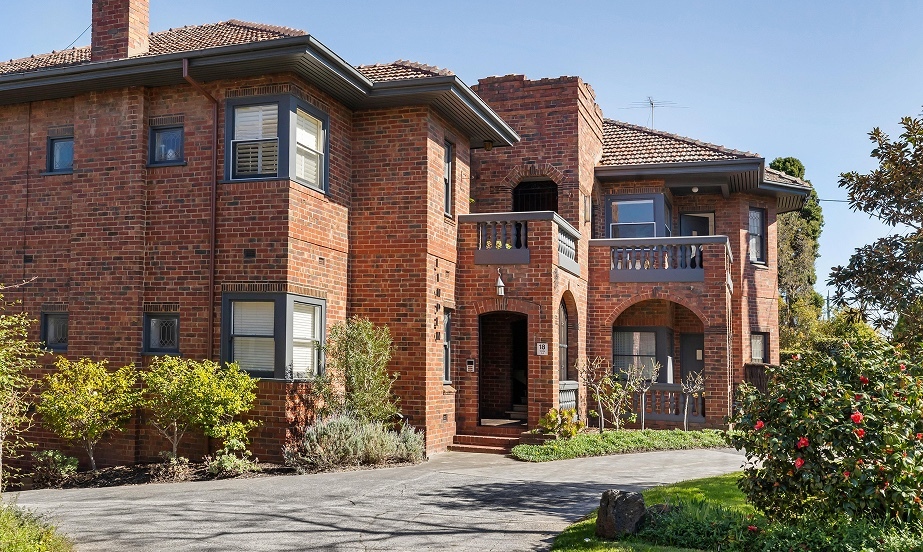
In my opinion, the data on Port Phillip is hard to ignore. Units in this municipality present a good buying opportunity, with Cotality data showing unit values are still 5% below historic highs. Growth in this market picked up in 2025, with units up 2.3% in the December quarter alone. Port Phillip unit rents grew above average in 2025 at 4.2%, pushing gross rent yields to a relatively high 5.1%. Suburbs like Middle Park and Albert Park have seen a particularly strong lift in rental demand over the past year, and currently sit at excellent price points for their location and desirability, with median unit values of $867,000 and $887,000 respectively.
Suburbs like Middle Park and Albert Park have seen a particularly strong lift in rental demand over the past year, and currently sit at excellent price points for their location and desirability.

Cate Bakos
Buyers Advocate
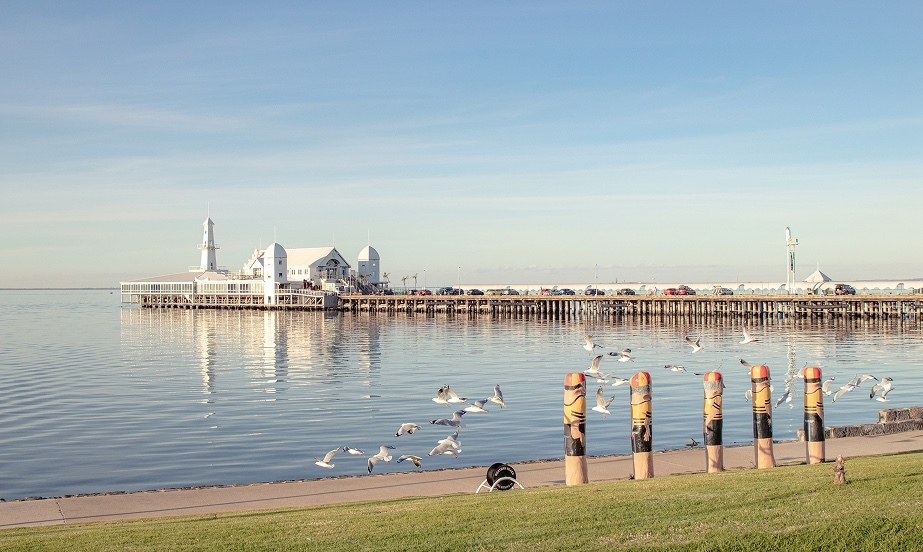
Determining an investment property location is ideally a pragmatic decision. Depending on the investor's profile, the suitability of an inner-ring villa unit may surpass that of a 1960s house, 12 km west of the CBD. Or a renovated family home in one of Geelong's blue chip, inner suburbs could tug heartstrings. My personal pick would be the latter, and I make no secret of the fact that I see enormous potential in our biggest regional city.
Geelong has experienced significant change over the decades. The waterside city has reinvented itself since the Pyramid Building society collapse and the Ford plant closure. Rail and road access to Melbourne has improved markedly, but the rise of white-collar workers in the city is also linked to entrepreneurial spirit and a dominant work-from-home culture. The region boasts beautiful, period houses at a fraction of the cost of Melbourne's inner urban housing. Victoria's second biggest city also offers some of the most impressive schools in the state, and Deakin University's footprint is obvious too, both at Waurn Ponds and the waterfront. Geelong's continued population growth will continue to drive expansion. From a value and lifestyle proposition, it's hard to look past this exciting city.

Bradley Beer
CEO, BMT Tax Depreciation
At the current Victorian median sale
price of around $977,000, strategic
allocation between inner and growth-
corridor suburbs can balance yield and
long-term capital growth. For example,
Kensington delivers strong lifestyle
appeal, proximity to the CBD, excellent
transport links and solid tenant demand.
Established units or townhouses
here can be bought close to median
price and benefit from capital uplift as
infrastructure and lifestyle demand
persist.
But suburb selection is only part of the
equation — how you build across asset
types deserves equal consideration.
Structuring a portfolio with a mix of
quality new build units (for depreciation
and yield) and established houses (for
land value uplift) can help optimise
after-tax returns.
Investors have no shortage of options across Victoria, but the key is knowing where to focus. Whether your goal is capital growth, defensive income, or a balance of both, the suburbs and property types identified by our seasoned professionals reveal the markets expected to do the heavy lifting in 2026 and beyond.